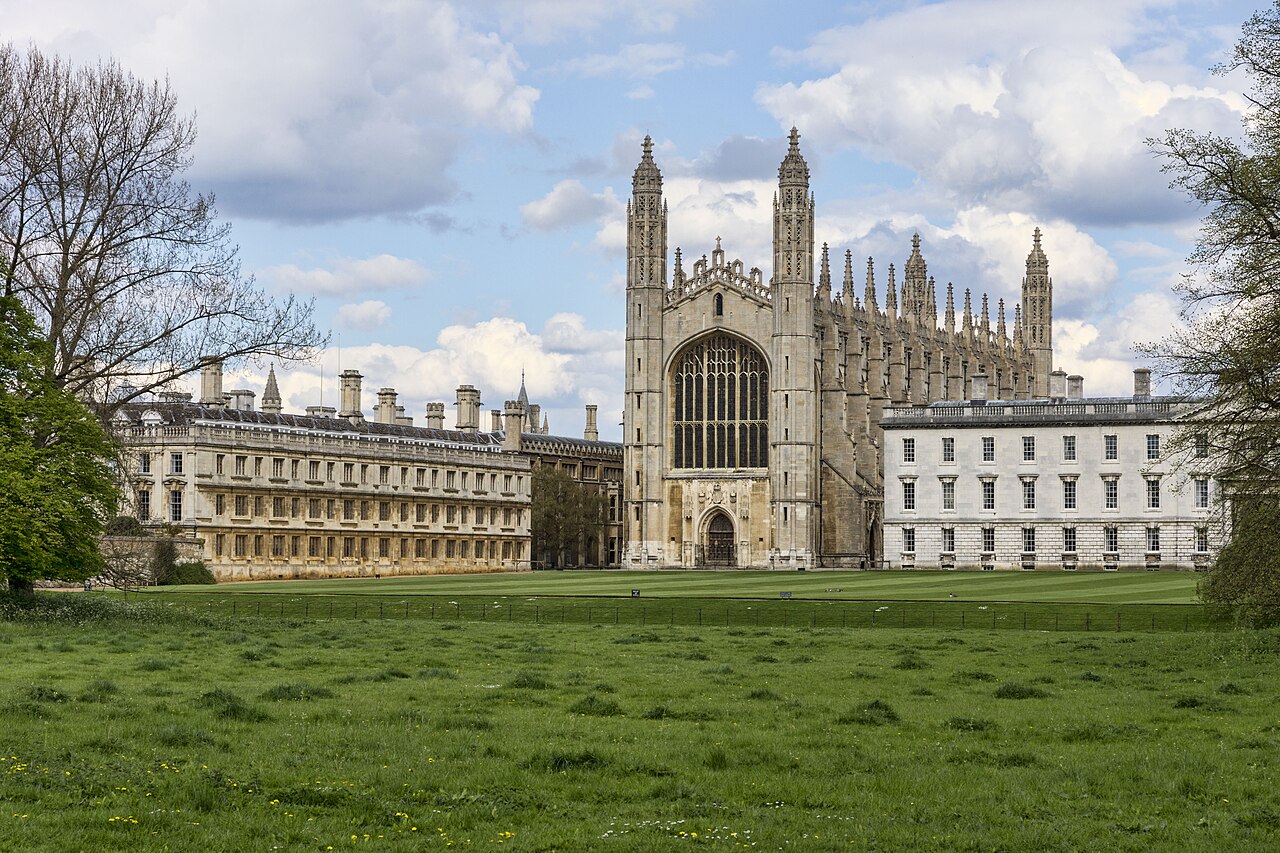
Discovering the Architectural Majesty of King's College Cambridge
Nestled in the heart of the historic city of Cambridge,
King's College Cambridge stands as an enduring testament to centuries of architectural ambition, artistic mastery, and academic pursuit. More than just a university college, it is a living museum of design, drawing visitors from across the globe who come to marvel at its iconic structures, particularly its breathtaking Chapel. From its imposing Gothic grandeur to its serene riverside settings, the architecture of King's College Cambridge tells a compelling story of vision, dedication, and the evolving styles that have shaped Britain's heritage.
A Symphony in Stone: The Genesis of King's College Architecture
The architectural journey of King's College Cambridge began in 1441 with its founding by King Henry VI. His ambitious vision was to create a magnificent educational institution, and central to this vision was a chapel of unparalleled scale and beauty. However, the Wars of the Roses and subsequent political turmoil meant that the college's construction, particularly its crown jewel, the Chapel, spanned several centuries and multiple reigns. This prolonged timeline allowed various architectural influences to contribute to the college's distinct character, blending foundational Gothic aspirations with later additions that reflect evolving tastes and needs. The result is a campus that is both unified by its historical gravitas and diverse in its stylistic expressions.
The Grandeur of King's College Chapel
Undoubtedly the most famous and recognizable building at King's College Cambridge, the Chapel is a masterpiece of late English Gothic architecture. Its construction began in 1446 under Henry VI and wasn't fully completed until 1547 during the reign of Henry VIII. This astonishing 100-year build time explains its transitional style, marrying the Perpendicular Gothic structure with early Renaissance decorative elements.
What immediately strikes any visitor is its sheer scale: an immense structure measuring 289 feet long, 40 feet wide, and 80 feet high to the vault. The most celebrated feature is its spectacular fan vault, the largest in the world, appearing as if sculpted from a single piece of stone, defying gravity with its intricate, radiating patterns. This innovative ceiling design, largely the work of John Wastell, is a triumph of medieval engineering and aesthetic brilliance.
Equally captivating are the Chapel's 25 vast stained-glass windows, dating from 1515 to 1531. These incredible works of art depict stories from the Old and New Testaments, filling the interior with a kaleidoscopic light that shifts with the day. The Great West Window, in particular, is an awe-inspiring composition that floods the Chapel with light and color. The intricately carved wooden choirstalls and the majestic Rubens painting,
The Adoration of the Magi, on the altar further enrich the Chapel's interior, making it a focal point for spiritual contemplation and artistic appreciation. Beyond its architectural beauty, the Chapel serves as a vibrant center for college life, hosting daily services and performances by the world-renowned King's College Choir, whose annual Christmas Eve broadcast is a global tradition.
Beyond the Chapel: Diverse Architectural Eras
While the Chapel rightly commands much attention, the wider campus of King's College Cambridge showcases an architectural evolution spanning centuries. Flanking the Chapel to the west is the
Wilkins' Building (also known as Gibbs' Building, though its current form is by Wilkins), designed by William Wilkins in the early 19th century in a Neo-Gothic style that complements the Chapel while introducing distinct classical elements in its courtyard façade. Further contributing to the college's layout is the
Bodley's Court, completed in the late 19th and early 20th centuries. Designed by George Frederick Bodley, this court features impressive Victorian Gothic architecture, characterized by its red brick and stone dressings, and adds another layer of historical depth to the college's visual narrative. The contrast between these different periods, from the medieval grandeur of the Chapel to the more restrained elegance of later constructions, creates a compelling dialogue across the college grounds.
Iconic Views and Photographic Opportunities
The distinctive architecture of King's College Cambridge makes it one of the most photographed sites in the UK. Its visual appeal is undeniable, offering countless opportunities for capturing stunning images. The classic view across the Backs (the college gardens bordering the River Cam) with the Chapel rising majestically above the trees is particularly iconic. Punting along the River Cam provides perhaps the most picturesque perspective, allowing photographers to frame the Chapel's towers and the elegant curves of Clare College Bridge in a serene, natural setting.
Inside the college grounds, the contrast between the imposing stone and the meticulously manicured lawns provides a rich backdrop for photography. Don't forget to capture the intricate details of the Chapel's exterior, from the delicate tracery of its windows to the gargoyles perched high above. Early mornings or late afternoons often offer the best light for photography, casting long shadows and highlighting architectural textures. For those interested in deeper insights into visual representations of this magnificent institution, exploring resources like
Visualizing King's College Cambridge: Stock Photos & Footage Guide can provide valuable tips on capturing its essence.
The Legacy of Design: Architects and Influence
The creation of King's College Cambridge involved a succession of master masons and architects who left an indelible mark on its design. While King Henry VI laid the initial grand vision, figures like Reginald Ely and Nicholas Close were instrumental in the early phases of the Chapel's construction. Later, John Wastell brought the revolutionary fan vault to fruition, a design that would influence subsequent Gothic revival architecture. In later centuries, architects such as James Gibbs, responsible for the original Gibbs Building (though much altered), and William Wilkins contributed the distinctive Neo-Gothic and classical elements that define other parts of the college.
The architectural legacy of King's College Cambridge extends beyond its walls. The Chapel, in particular, stands as a zenith of Perpendicular Gothic, influencing ecclesiastical and academic architecture for centuries. Its innovative engineering and aesthetic boldness made it a benchmark for future designs, solidifying its place not just as a national treasure but as a significant monument in the history of global architecture. It serves as a powerful reminder of how architectural ambition can endure and inspire across generations.
Planning Your Architectural Exploration of King's College Cambridge
Visiting King's College Cambridge offers an unparalleled opportunity to immerse yourself in centuries of architectural brilliance. To make the most of your trip, consider these practical tips.
Best Times to Visit
To avoid the largest crowds, particularly during peak tourist season (summer), consider visiting during the shoulder seasons (spring or autumn). Weekday mornings are generally less busy than weekends. Always check the official King's College website for current opening hours and any potential closures due to college events, especially if you plan to visit the Chapel interior.
Experiencing the Interior and Grounds
Entry to the Chapel often requires a ticket, which can usually be purchased at the entrance or online. Inside, take your time to appreciate the fan vaulting, the stained glass, and the various artworks. Guided tours are often available and can provide deeper insights into the history and architectural nuances of the college. Punting tours along the River Cam offer a unique perspective of the college's "Backs" and its riverside architecture, providing context to the landscape. For a comprehensive understanding of the college's broader offerings, from its academic standing to campus life, you might find valuable information in
King's College Cambridge: Exploring Its Academic Legacy & Campus. Remember that while you're admiring the architecture, you are also walking through an active academic institution, so always be respectful of students and staff.
In conclusion, the architecture of King's College Cambridge is far more than just a collection of buildings; it is a profound narrative woven in stone, glass, and wood. From the soaring ambition of Henry VI's Chapel to the stylistic diversity of its later courts, every corner of King's College Cambridge reflects a rich tapestry of history, design innovation, and enduring beauty. Exploring its hallowed grounds offers not just a visual feast but a journey through the heart of English architectural heritage, leaving visitors with an unforgettable impression of its majestic grandeur.